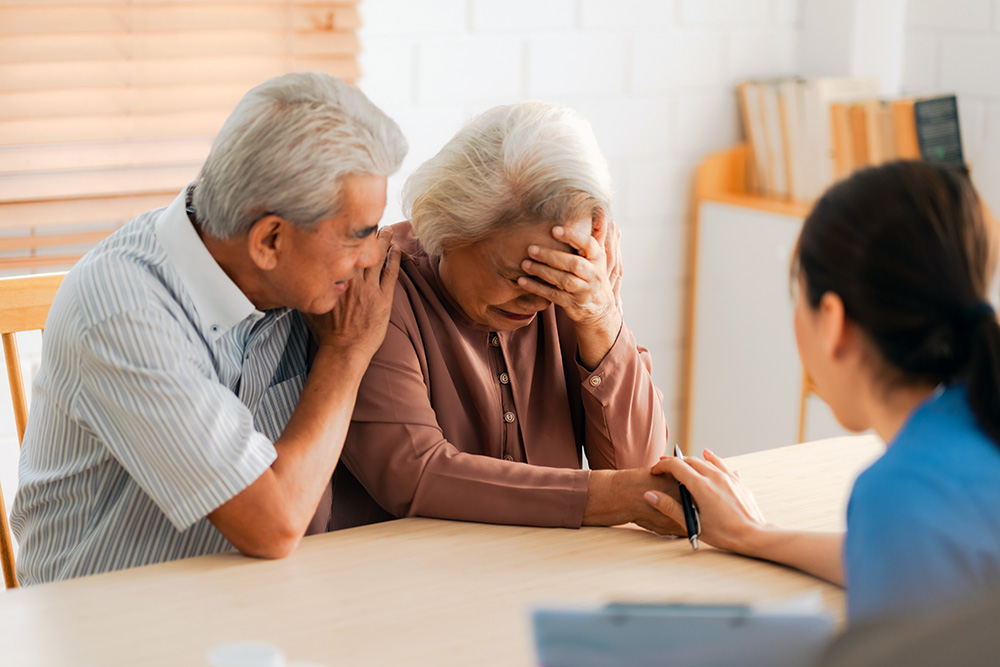
Elder Abuse is a very serious issue. Unfortunately, over 10% of American senior citizens experience some form of elder abuse each year. It can often come from nursing home attendants, trusted caretakers, neighbors, friends, or even family members. Elders of any gender may be affected. There are 5 main types of Elder Abuse: Emotional, Physical, Sexual, Financial, and Neglect & Abandonment. If you or a loved one is the victim of elder abuse, be sure to document and report it. It can also be important to seek legal counsel.
Emotional Abuse
Generally, emotional abuse can be defined by attempts to manipulate, control, or threaten the victim. It can often lead to other forms of exploitation, as well. Emotional manipulation can have detrimental effects on your loved one’s mental health. Many senior citizens who are emotionally abused can experience depression, anxiety, and the overall deterioration of mental health. This deterioration can include confusion, memory loss, and more.
Physical Abuse
Physical elder abuse refers to methods of physical harm towards the victim. This may include pinching, striking, kicking, burning, shaking, shoving, and beating. Injuries like bruises, head trauma, burns, internal bleeding, and even broken bones are often reported as signs of violence. If your loved one is showing signs of injury that are unexpected or otherwise unreported to you, it could be a sign of abuse.
Sexual Abuse
Sexual elder abuse is the assault of a senior citizen in a sexual manner. Common signs of sexual maltreatment in elders include infections of the genitals and/or anus, bruises on or around the thighs, and difficulty walking or sitting. This is often harder to notice than the other forms of abuse and is not uncommon for elderly individuals to stay silent regarding it. They may experience emotional or mental trauma from the experience as well. Those who are sexually abused may try to hide the signs of their trauma from loved ones. For many elders, this can be an especially embarrassing situation. It is always important to communicate to your loved one that they can talk to you about any abuse they are facing.
Financial Abuse
Financial abuse is the most prevalent form of mistreatment among the elderly. It refers to the misuse or theft of the individual’s finances. This may include the abuser taking money, cashing checks without permission, buying personal items with the elder’s money, coercion to sign legal documents, the direct transfer of money, and more. Financial abuse can also include the changing of a Will or other estate documents. This can often make it difficult for the victim to afford their basic needs. Costs for medications, treatments, food, or rent may pile up as funds diminish. Sometimes, the abuser will take savings or valuables intended for heirs.
Neglect & Abandonment
The lack of care or treatment can also be considered elder abuse. Leaving elder individuals alone and unable to take care of themselves when they are unable to is abusive. This can also include the failure to provide adequate food, hygiene, safety, medications, etc. Sometimes, this neglect can be intentional or unintended. But it is serious nonetheless. Bedsores, malnutrition, dehydration, sunken eyes, poor hygiene, and untreated medical conditions can all be signs of neglectful caretakers.
If You Notice Signs of Abuse
If you or a loved one is being abused, seek assistance. Be sure to talk to your loved one. They may not be emotionally open to discussing what they are going through. Or they may fear the repercussions from their abuser. Legal action may be an avenue to recover stolen assets or for reparations. The National Center for Elder Abuse (NCEA) has resources for victims, including information on how to report signs to the proper authorities. You can also visit NYC’s page for Elder Abuse information or call their hotline at 212-AGING-NYC (212-244-6469). These resources can help victims and their families accept and overcome the trauma of Elder Abuse.
How SafeHarbor Helps
Safe Harbor Healthcare Services works hard to help ensure the safety of our clients. They are also trained to identify signs of abuse. We also use background checks and drug testing when hiring to help ensure the safety of our clients and their families.
Safe Harbor Healthcare Services does not provide medical, healthcare, or financial advice via articles. This material has been prepared for informational purposes only. It is not intended to provide and should not be relied on for advice.
Safe Harbor Healthcare Services has provided excellent home care on Staten Island since 1967. Our services help older and disabled individuals live safely and independently while giving their families the peace of mind they need. For more information, contact us or call (718)-979-6900.