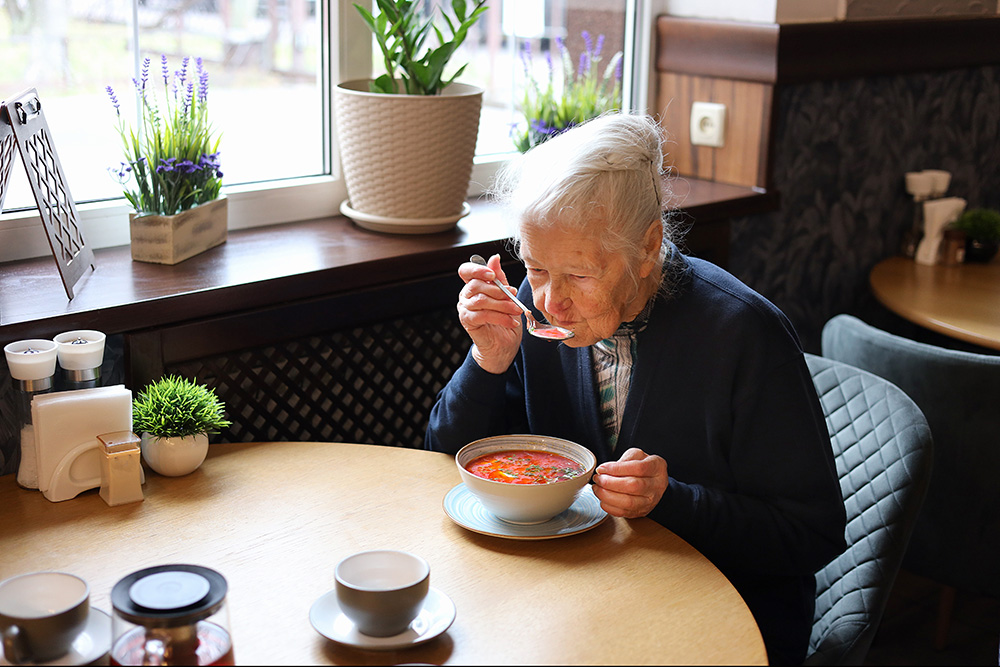
Dysphagia, or difficulty swallowing, is an issue that affects many older adults in the US. There are several reasons that an aging loved one may be dealing with dysphagia. Certain chronic conditions, like dementia or Parkinson’s, for example, can lead to difficulty swallowing. Some medications may also have it as a side effect. This article will look to explore important aspects of caring for someone with dysphagia.
What is Dysphagia?
Chronic difficulty with swallowing is referred to as dysphagia. It can be caused by a lack of esophageal muscle control, nerve issues, or other conditions that affect swallowing. It is much more common in older adults with chronic health issues than younger adults. Your esophagus moves to allow food/drinks to go to the stomach and air to go to the lungs. Challenges arise with dysphagia, as food, drinks, pills, or even saliva can end up in the airway by accident.
Common Causes of Dysphagia
As mentioned above, some health conditions or medication side effects can cause dysphagia. Parkinson’s and Multiple Sclerosis, which affect the nervous system, are common causes of dysphagia. Stroke survivors may have difficulty swallowing as a result of nerve damage. Health conditions affecting the esophagus, such as Esophageal cancer, can also be a potential cause. Dysphagia is common in late-stage dementia patients, especially those living with Alzheimer’s.
Complications Arising From Dysphagia
Often, your loved one will deal with complications as a result of their issues with swallowing. Below is a list of some of the more common symptoms:
- Pain/discomfort while swallowing
- Pneumonia
- Coughing or gagging while swallowing
- Chronic acid reflux
- Hoarse voice
- Malnutrition/sudden weight loss
Aspiration Pneumonia
Pneumonia is a type of lung infection caused by germs or bacteria. It causes inflammation in the lungs, restricting airways and causing coughing and phlegm. Aspiration Pneumonia is caused when food or fluids enter the lungs and cause inflammation. For aging adults, pneumonia can lead to hospitalization or death.
Managing Dysphagia At Home
There are many ways to improve health outcomes and quality of life with dysphagia. First and foremost is oral hygiene. Robust oral hygiene care can help reduce bacterial growth in the mouth and saliva, which can minimize potential lung infections. Encourage your loved one to brush their teeth 3 times a day and floss after each meal. When eating and drinking, your loved one should sit up straight and practice good posture. Good posture helps the esophagus work better, reducing strain on their esophageal muscles.
Dysphagia Mechanical Diets
One way to assist loved ones with dysphagia is to introduce diets that are easier to swallow. This can include foods that are moist, soft, and easier to swallow. This can help with proper swallowing, fighting malnutrition, and reducing muscle strain. Common examples of dysphagia-friendly foods can include:
- Ground or minced meat/meat-substitutes
- Scrambled eggs
- Mashed potatoes
- Yogurt
- Soft oatmeal
- Well-cooked pasta
- Small-diced, well-cooked vegetables
- Canned fruit without skin or seeds
- Ripe bananas
This is not an exhaustive list of foods for those with dysphagia. The important thing is to cut food finely, and cook to ensure softness. Make sure that your loved one is still getting a well-balanced diet for proper nutrition. Contact their doctor or a nutritionist to create a dysphagia-friendly diet plan.
Thickened Fluids and Hydration
Hydration is vitally important for our health. For those with difficulty swallowing, proper hydration can sometimes be challenging. They may be getting fluid in the lungs because of their condition. As a result, many older people with dysphagia forgo water and other fluids. One way to ensure that your loved one is getting the hydration they need is to thicken their fluids. You can buy water thickeners or bottles of thickened water from most pharmacies. Depending on how severe their dysphagia is, they may need their fluids thickened to a different consistency. The levels of thickness generally range from 0 (regular water) to 4 (extremely thick). Your loved one’s doctor can help you determine the thickness that is best for their needs.
Home Health Care for Aging Adults with Difficulty Swallowing
Older adults living with dysphagia may require daily care assistance for food preparation and other care needs. If their difficulty swallowing is also caused by a chronic condition, they may also have care needs associated with that. You may not always be available to oversee your loved one throughout every meal. A certified home health aide is a great addition to your loved one’s care support. Our home health aides assist with hygiene care, meal preparation, medication reminders, home upkeep, and more. This extra support can be vital for older adults with swallowing issues. Many older adults with dysphagia can feel nervous to eat alone for fear of choking or aspirating. Even having an aide there during mealtime can help them feel more at ease.
Safe Harbor Healthcare Services does not provide medical, healthcare, or financial advice via articles. This material has been prepared for informational purposes only. It is not intended to provide and should not be relied on for advice.
Safe Harbor Healthcare Services has provided excellent home care on Staten Island since 1967. Our services help older and disabled individuals live safely and independently while giving their families the peace of mind they need. For more information, contact us or call (718)-979-6900.