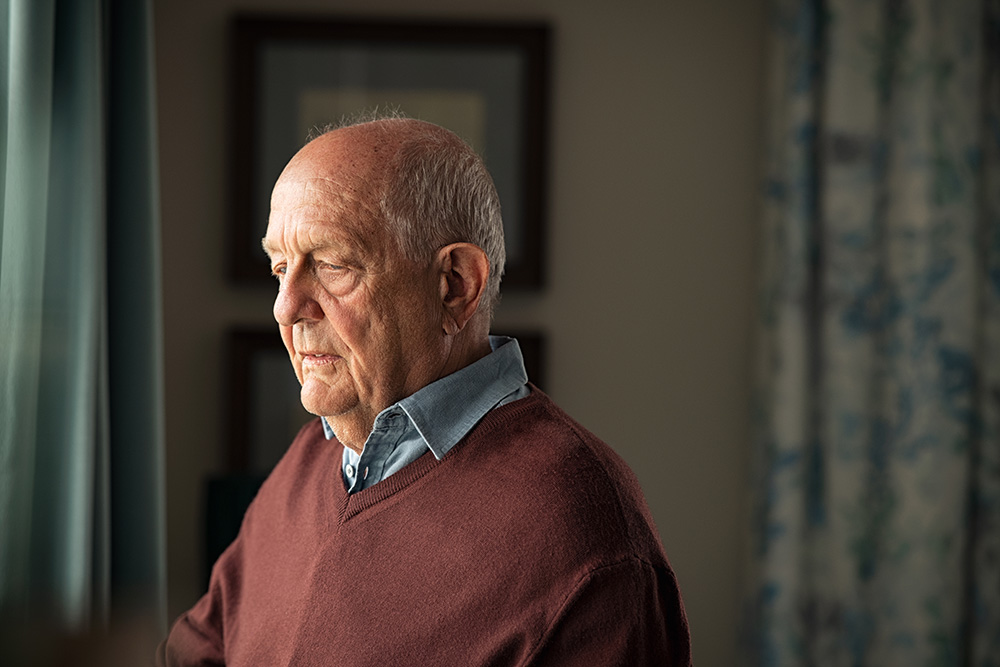
After the loss of your partner, it can be hard to learn to live on your own again. As the surviving spouse, you may have to take on more responsibilities to ensure that you can manage your needs. For many people, this could be the first time they are truly living by themselves. And for aging adults, that prospect can seem daunting. When it comes to living alone, there are several things you may need to handle yourself.
Tackling Chores By Yourself
Chores and other home duties are usually split among partners. When a spouse passes, it can often be a challenge for the surviving partner to take on all the household responsibilities. In some cases, the survivor may never have learned to do some of these tasks. It is not uncommon for widows and widowers to learn new skills, such as doing the laundry or loading the dishwasher. Consider asking for help in learning or relearning these types of tasks.
Managing Bills and Accounts
Some spouses split the responsibilities of bill payment. While one takes care of the mortgage, the other may handle the utilities. Hopefully, your loved one was organized and kept a record of important account numbers and passwords. Otherwise, you may find it challenging to pay bills and make changes to those accounts as needed. Consider closing some subscriptions and accounts that you no longer need, such as streaming services that your spouse used more than you do.
Even ensuring that your accounts have the money to handle the bills can sometimes be a unique challenge for the surviving spouse. It is important to properly transfer any separate accounts from your loved one’s bank to your name, or close them out as needed.
Cooking as the Surviving Spouse
Cooking meals may not always be a split job in every house. It is not uncommon for the surviving spouse to be left unable to cook for themselves. Additionally, some surviving partners find it difficult to cook for one person. After years of cooking for 2 or more people, portioning out for one plate can prove difficult.
There are many ways a surviving spouse can adapt to these challenges. Consider taking a cooking class or looking up recipes online or in a cookbook. If you are having difficulties with portioning, try meal-prepping for multiple days. Bulk cooking on a particular day can make it easier for you to portion out meals and not have to worry on other days.
Finding Assistance in the Home
It’s OK to ask for help when it’s needed. Your children and grandchildren could help you in keeping the house in order while you adapt. If you feel like you need more help in your daily life, consider hiring assistance. A Home Health Aide is a professional who assists the elderly and the disabled in daily care, medication reminders, light housekeeping, meal preparation, and more. Additionally, they provide companionship throughout the day and can help make your home feel less lonely.
Safe Harbor Healthcare Services does not provide medical, healthcare, or financial advice via articles. This material has been prepared for informational purposes only. It is not intended to provide and should not be relied on for advice.
Safe Harbor Healthcare Services has provided excellent home care on Staten Island since 1967. Our services help older and disabled individuals live safely and independently while giving their families the peace of mind they need. For more information, contact us or call (718)-979-6900.