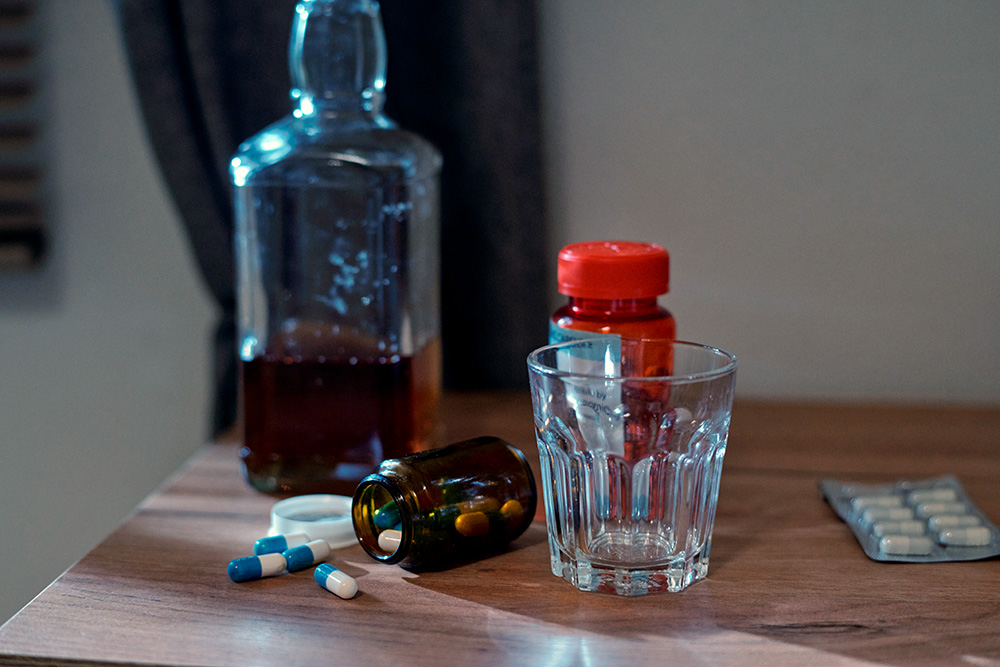
Substance abuse is a problem that plagues many families across America. For senior citizens, it can be especially difficult to identify and combat. Elders may turn to abusing drugs or alcohol for several reasons. Unfortunately, many of the signs of substance abuse can also be a common factor of aging. This article will explore common substances abused by elderly individuals. Then, this article will discuss common signs of substance abuse and how to better approach your loved one’s problem.
Common Substances that are Abused
Alcohol
Alcohol abuse can be rampant at any age, but it can be especially deadly for elderly individuals. Because many people start drinking at an early age, alcohol abuse can come from repeatedly pushing past an established tolerance. Alcohol dependence can grow over time. Those who drank socially throughout their adulthood are more susceptible to developing alcohol dependency as seniors.
Opioids
Opioid addiction and abuse are becoming increasingly widespread in America. While much of the country’s focus is on younger age groups, it is very prevalent in older adults. Opioids are powerful painkillers, often prescribed after serious surgeries or procedures. Addiction often stems from being prescribed opioid drugs, and then seeking more from there. Oxycodone, Percocet, Fentanyl, Hydrocodone, and Morphine are all commonly prescribed opioids. If your loved one is prescribed an opioid, they must understand the addiction risk. If your loved one is prone to addiction, consider working with their doctor to find alternative prescription options first.
Anti-Anxiety Medications
Anti-anxiety medication abuse often comes from overuse and/or reliance on prescription anti-anxiety pills. Ativan, Klonopin, Valium, and Xanax are the most common forms of anti-anxiety medications. These pills can usually be prescribed by a primary care physician or a mental health professional.
Common Signs of Substance Abuse
There are many signs of substance abuse. However, many of these signs can also be factors of old age, or even side effects of medication. Because of this, substance abuse can be difficult to identify in older adults. Talk to your loved one’s physician if you believe there may be a substance abuse issue.
“Misplacing” Prescriptions
Prescription drug abuse is often fueled by patients “losing” their prescriptions. If your loved one seems to be losing their medications and having to pick up more, there may be cause for concern. Also, if they seem to be running out of their medications too soon, it could be a sign of abuse.
Mood Changes
Drastic changes in mood and overall demeanor can be a sign of substance abuse. If your loved one’s mood is very different from how they usually act, they may be abusing drugs or alcohol.
Sleeping More and Nodding Off
Those dealing with substance abuse will usually sleep drastically more than before their abuse began. As such, it can be a common sign of alcohol or drug dependence. Additionally, it is common for substance abusers to nod off in the middle of conversations or activities. Major changes in sleep patterns can come from any type of drug. Stimulants can make it harder for your loved one to maintain a regular sleep schedule.
Confusion and Memory Loss
While memory loss and confusion can be signs of mental illness or deterioration, they can also be common signs of substance abuse. Your loved one’s physician should be referred to regarding cases of memory loss and confusion. They will be more equipped to identify whether or not this is due to a mental issue or if substances are involved.
Wanting or Preferring Isolation
Many elderly individuals suffer from feeling lonely or isolated. Preferring to be left alone or withdrawing from social situations can be a sign of substance abuse. It is important not to mistake wanting independence for wanting to be isolated. Many elderly individuals can feel like their independence is threatened as they require more assistance with age. Sudden changes in their attitude toward being left alone may be an indication of a change in health or substance use.
Lying About Small Matters
Lying is common in those trying to hide the addiction. This may involve creating false stories or lying about seemingly innocent events. If your loved one is more often lying about small things, there may be something bigger at hand.
Major Changes in Appearance and Upkeep
It is common for elderly individuals to spend less time keeping up their appearance or hygiene. However, for those suffering from substance addiction, these changes can be drastic and sudden. If your loved one looks unkempt, smells poorly, or is otherwise not caring for themselves, you may want to pay attention to their consumption habits.
Smelling like Alcohol
Smelling of alcohol or having alcohol on their breath is a common sign of alcohol use. It is important to note the difference between light or social drinking versus alcohol dependence. Those with alcohol dependency may also drink or suggest drinking at inappropriate times for the situation. Smelling of alcohol often, or at inappropriate times, might be a sign of abuse.
Helping Your Loved One with Their Substance Abuse Issue
If you believe your loved one has a substance abuse issue, discuss with their physician and your family possible ways to handle the situation. There are many resources available to families that want to help their loved ones overcome addiction and chemical dependency. Consider discussing the issue with the individual. They may be willing to work with you to stop their substance abuse.
Substance Abuse vs Prescription Side Effects
Some signs of substance abuse, such as mood swings or changes in sleep patterns, may be the result of prescription medications. If you are noticing changes in your loved one’s behavior, consider looking into the side effects of their medications, especially those prescribed more recently. Additionally, some prescription medications can react differently when taken together. Consider consulting your loved one’s doctor if you are noticing major changes in your loved one’s demeanor or condition following a change in medication.
Safe Harbor Healthcare Services does not provide medical, healthcare, or financial advice via articles. This material has been prepared for informational purposes only. It is not intended to provide and should not be relied on for advice.
Safe Harbor Healthcare Services has provided excellent home care on Staten Island since 1967. Our services help older and disabled individuals live safely and independently while giving their families the peace of mind they need. For more information, contact us or call (718)-979-6900.