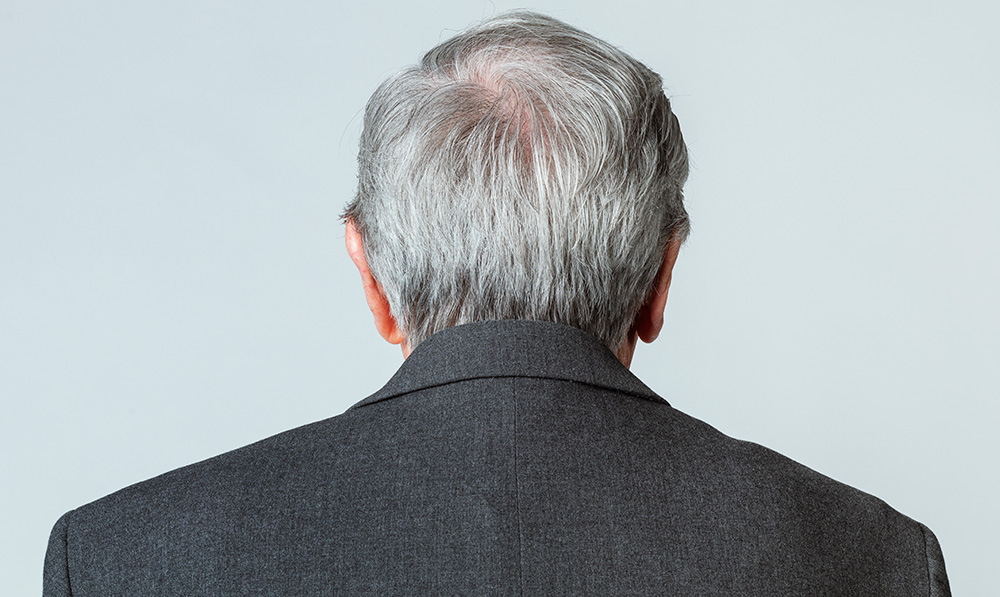
Hair consistently grows and regrows on your head. As we age, this cycle can be affected by changes in health, environmental factors, and more. But when does normal shedding become hair thinning? What about hair loss? This article will explore the differences between shedding, thinning, and hair loss, and how you can spot them.
The Hair Growth Cycle
Hair follicles are constantly growing and dying on our heads. Hair grows from within the skin and pushes outward to the top of your head. It follows a natural cycle of growth, a transitional phase, and then a resting phase. During the rest phase, the hair will eventually fall out. This cycle is constantly starting and restarting across your head, and different follicles are experiencing this cycle at different points, across over 100,000 hairs on your head. A follicle’s cycle can last 2-6 years per hair, according to the National Library of Medicine.
Shedding Hair
Shedding is a natural part of the hair cycle. As a new hair grows out from below an older hair, it pushes the older strand free from the scalp. Most people naturally shed 50-150 hairs per day. These can end up in your hairbrush, your shower drain, or all over your home. Occasionally, you may shed more or less hair during some periods. Hormonal changes, diet, hydration, stress, genetics, and other factors may affect day-to-day shedding. But it likely won’t be too noticeable.
Hair Thinning
Hair thinning refers to a density loss in the thickness of your hair. This happens slowly over time. As new growth occurs, the hair may be finer and lighter. Thinner strands often grow to a shorter length before falling out. This is why many older women adjust to shorter hairstyles.
Aging and the hormonal changes that come with aging are often one of the most common causes of hair thinning. Genetics, some illnesses or treatments, stress, and malnutrition can also contribute. Additionally, the way you style your hair can contribute to hair thinning. Hair will usually get thinner before hair loss starts to occur. If you are noticing your hair thinning, consider talking to your doctor. They may be able to recommend ways to limit thinning or prevent hair loss. Early intervention or treatment can yield better results.
Hair Loss
Hair loss is when thestrand falls out and is not replaced with a new follicle. Generally, hair loss most often happens when the growth cycle is affected. Hair loss is also more common in men than in women. You may also be genetically predisposed to hair loss at an earlier age. Bald patches or spots where hair is not as plentiful may be a sign of hair loss. Major hormone shifts, health conditions, or some medications may also trigger premature hair loss. A common example of this is radiation or chemotherapy treatments in cancer patients.
Styling During Hair Thinning or Loss
Treatments and styling your hair can affect hair thinning and loss. Frequent color treatments can stress follicles and make the hair more brittle. Strands that are more prone to breakage may start thinning or stop growing. Heat styling tools can also stress hair follicles and lead to weaker, thinner hair. This is especially the case after frequent or prolonged use. Trimming breakage can help maintain the health of your hair. While some people take Hair, Skin, and Nail vitamins to help with their hair health, there is little research on their effectiveness. Your barber or stylist may be able to help you find styles that can contribute less to your hair loss.
Safe Harbor Healthcare Services does not provide medical, healthcare, or financial advice via articles. This material has been prepared for informational purposes only. It is not intended to provide and should not be relied on for advice.
Safe Harbor Healthcare Services has provided excellent home care on Staten Island since 1967. Our services help older and disabled individuals live safely and independently while giving their families the peace of mind they need. For more information, contact us or call (718)-979-6900.