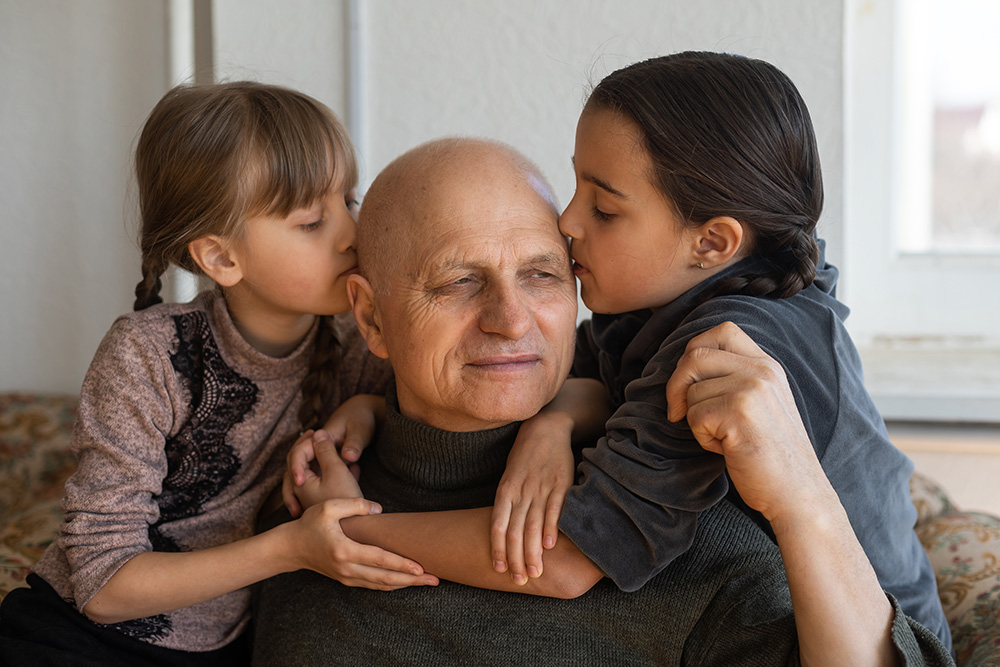
When a loved one is diagnosed with cancer, it can be hard for the whole family to process. But if you have young children, you may have to approach the news differently. The concept of cancer can be scary to young children, especially when an older loved one has become so sick, suddenly. It is important to explain it in a manner that is easier to understand for them. This article will focus on discussing with your children about a loved one’s cancer diagnosis and what to expect during treatment.
Your Emotional Preparedness
It is important to prepare yourself before the discussion with your children. Choose a time when you are feeling calmer and more emotionally stable to discuss it. You will want to be more controlled in how you approach the conversation. It may help to have another adult your children trust with you. This could be a spouse, a grandparent, or another family member. If needed, write down what you want to say. This can help you stay on track with the discussion.
Children and Intuition Regarding Cancer
Your children may intuit that you are upset as you talk about the diagnosis. It is completely ok to show emotion and explain why you feel that way. They may get anxious, stressed, or scared. Children are also often more understanding of situations than we may expect. Your child may already know something about cancer or have some concept of it already. They will likely have questions and concerns, so be ready to answer questions that you deem appropriate.
Speaking Honestly
It is best to be honest with your children about topics like cancer. Children can become confused or afraid if they feel that you are withholding information. They may also overhear other conversations in the family. So it is often best to be upfront and forthcoming. Encourage them to ask questions, and don’t be afraid to speak honestly or not know all the answers. Being straightforward and honest about the situation can be a good idea. But try to be optimistic where possible.
Speaking on Your Child’s Level
Children should be informed about how this can affect them and their lives. They may not understand all of the terms or explanations. Try your best to use language they will understand. This can be important when discussing the type of cancer your loved one is living with or the treatments they may experience. For different age groups, different discussions may be needed. Teens may have different concerns than younger children. And a 10-year-old will likely require more detail than a 5-year-old. In a mixed-age home, older kids may help support younger children through the tough conversations.
Some kids may not be able to fully understand. Some may be more inquisitive and want more info. You know your children and how they may approach the topic. Be ready to answer questions, and don’t be afraid to not know all the answers. In some cases, you may want to do some research with your child to learn more together. There are many resources available for different age levels to understand cancer. Consider seeking out books that can help.
Treatment and Expectations
Generally, initial diagnoses can lay out expectations for treatment and expected results. Depending on how much information your loved one gave you, you may need to prepare your children for different outcomes. From terminal diagnoses to the effects of chemo and radiation therapy, it is important to prepare your children for the changes ahead. Treatments may affect how your loved one looks and feels as their treatment continues.
Common symptoms of treatment can include hair loss, fatigue, weight changes, and vomiting. Changes in mood, energy levels, and temperament are also common, both from treatment and from grief. Your child’s interactions with their family member can be affected by these changes. These changes can seem scary to a child. Helping your child understand ahead of time can help them better process what is happening.
Fear of Cancer
Many children may become worried that they or other loved ones may get cancer after learning about it. Firstly, ensure them that the cancer their loved one has is not contagious. Unfortunately, as cancer risks can often be genetic, it can be something to approach in the future. It can be hard to let your child understand that cancer happens to a lot of people. Cancer can be scary for them, and they may not fully comprehend how it forms in different people. Try your best to set them at ease.
Safe Harbor Healthcare Services does not provide medical, healthcare, or financial advice via articles. This material has been prepared for informational purposes only. It is not intended to provide and should not be relied on for advice.
Safe Harbor Healthcare Services has provided excellent home care on Staten Island since 1967. Our services help older and disabled individuals live safely and independently while giving their families the peace of mind they need. For more information, contact us or call (718)-979-6900.