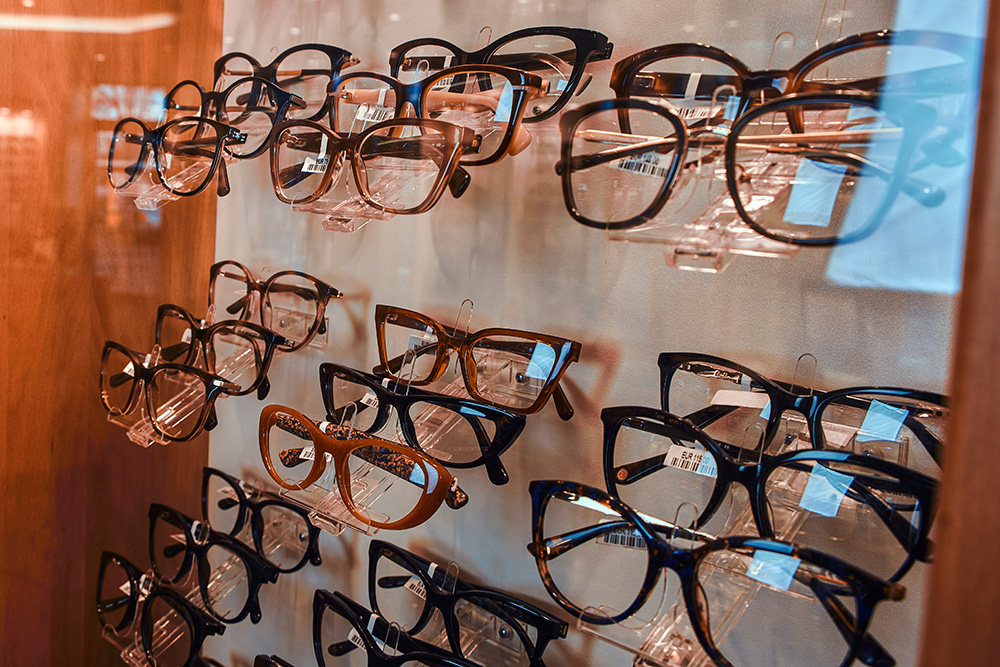
Your eyes change with age, generally getting worse over time. Many older individuals require stronger eyeglass prescriptions over time. Those who have never needed glasses may begin using reading glasses in their daily lives. Light sensitivity and other vision issues can also develop with age. Below, we will discuss ways to reduce vision loss for older adults.
Reading Glasses for Older Adults
With age, your eyes may have a harder time discerning fine detail up close. Reading glasses help magnify objects and text in your close field of vision. Over time, your eyes may progressively worsen, even with reading glasses. As such, you may require stronger magnification over time.
Causes of Serious Vision Loss in Older Individuals
While there can be a wide assortment of causes for vision loss with age, some causes can be more common. Cataracts, high blood pressure, age-related macular degeneration (ARMD), glaucoma, and diabetic retinopathy are among the most common causes of vision degeneration in America. You may want to talk to your primary care physician and your eye doctor about your risk factors for these conditions.
Regular Eye Exams
Regular eye examinations from your optometrist or ophthalmologist can help your medical team understand how your vision is changing over time. Your eye doctor can also identify early signs of vision issues, such as cataracts or glaucoma. The earlier complications are found, the more likely intervention can occur. Treatment to cure or slow the progression of these conditions is more effective when they are caught early on.
How Blood Pressure Affects Vision Loss
When blood pressure is high, it can affect your vision. The high pressure can damage the blood vessels in your eyes. A healthy lifestyle and diet changes can keep your blood pressure in check. However, further intervention may require medical care or medication.
Managing Vision Loss From Aging
Even with following all of the above tips, vision loss will likely be a problem for most older individuals. Managing and adjusting the level of assistance your eyes need will help you navigate life as the quality of your eyesight degrades. In the early stages of vision loss, prescription glasses or contacts may be necessary, or magnified reading glasses. Reading, driving, and other activities that require focused vision may become more challenging without them.
Healthy Eating to Minimize Vision Loss
While most people know that carrots are good for their eyes, there are plenty of other foods that can improve eye health. At an advanced age, these changes in your diet can help mitigate worsening eye health. Dark leafy greens such as kale and spinach are high in beta-carotene and Vitamin A, the two nutrients that make carrots good for vision. Omega-3 fatty acids are also known to improve eye health, as well. Foods high in this essential fat include sardines, salmon, walnuts, and chia seeds.
Sunglasses And Protecting Your Eyesight
Sunglasses reduce eyestrain by blocking out UVA and UVB rays. Polarizing sunglasses help block out more of the sun’s harmful rays. As such, they can be more efficient in protecting your vision. Consider wearing wrap-around sunglasses for further protection.
Improving Your Home Life as Your Vision Loss Progresses
Older individuals can improve their quality of life at home despite vision loss with a few easy improvements. Consider upgrading the bulbs in lighting fixtures to be brighter. Motion sensor nightlights can make trips to the bathroom at night safer. If your loved one needs daily assistance as a result of their vision loss or other medical conditions, consider hiring a home health aide. A certified home health aide can assist with daily care, such as meal preparation, bathing, light housekeeping, doctor’s appointments, and more.
Safe Harbor Healthcare Services does not provide medical, healthcare, or financial advice via articles. This material has been prepared for informational purposes only. It is not intended to provide and should not be relied on for advice.
Safe Harbor Healthcare Services has provided excellent home care on Staten Island since 1967. Our services help older and disabled individuals live safely and independently while giving their families the peace of mind they need. For more information, contact us or call (718)-979-6900.