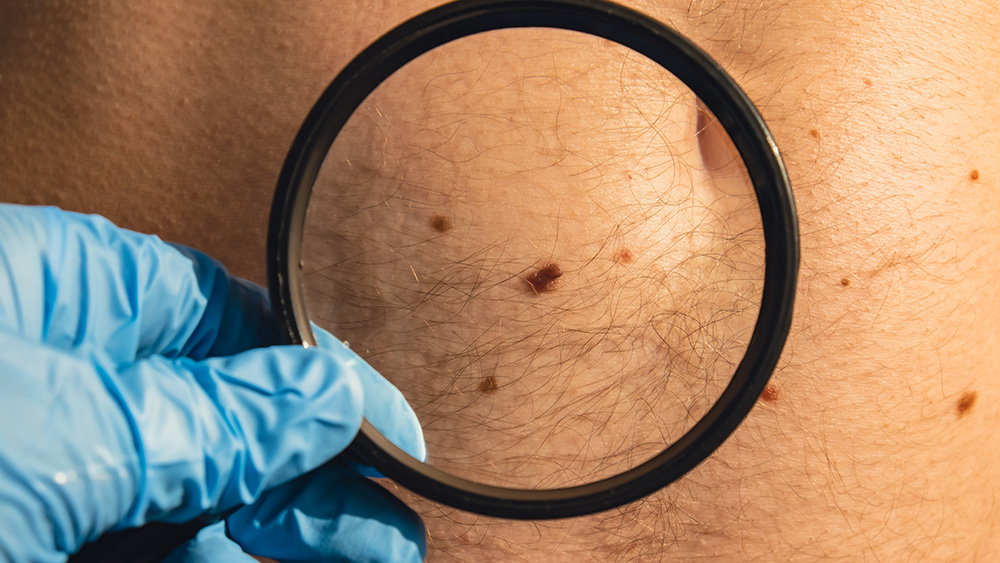
May is Skin Cancer and Melanoma Awareness Month. As the weather warms up and we get closer to summer, ensuring that your older loved one protects their skin is vital. This article will explore important tips to protect older adults from skin cancer, as well as information on skin cancer screenings.
Skin Cancer and Sunscreen
Sunscreen is an essential part of protecting yourself against skin cancer. UV radiation can affect you even on cloudy or cold days. Look for a broad-spectrum sunscreen that is 30 SPF or more. Use sunscreen on all exposed areas, including your neck, face, ears, arms, and legs. Reapply sunscreen as directed on the product. If participating in water activities, be sure to use a waterproof product.
Sun-Protective Clothing
UV rays can penetrate through clothes. Consider looking for Ultraviolet Protection Factor (UPF) clothes. These clothes usually have denser weaves or synthetic fabrics that help improve UPF ratings. Clothes with darker or brighter colors also have a higher UPF rating than whiter clothes. Most regular summer clothes provide a UPF protection rating of 5-15. Sun-protective clothes are usually rated at 30 or more. Hats are also an important protective tool against the sun. Wide-brimmed hats can help protect your face and ears.
Avoid Peak Sun Hours
When possible, avoid spending time outside during peak sun hours. UV radiation is generally highest between 11 AM and 2 PM. If you have to be outside, seek shade when possible.
Sunbathing and Skin Cancer
Sunbathing and tanning beds are major contributors to skin cancer. Regular indoor tanning can increase your melanoma risk by up to 75%. While tanning happens as you are naturally out in the sun, there is no such thing as a “healthy” tan. If spending time outside, sit in the shade whenever possible.
Skin Checks at Home
Checking for changes in your skin is an important first step in protecting yourself from skin cancer. Self-examine your skin, or have a caregiver assist you. If you notice something that may be a problem, schedule an appointment with your dermatologist. Early signs to look for can include:
- New moles
- Moles that are changing shape or color over time
- Lesions
- Spots with irregular edges
- Spots with varied colors
Skin Cancer Screenings with Your Dermatologist
Older adults should generally schedule annual dermatology appointments for skin checks. Depending on family history or previous diagnoses, your dermatologist may recommend more frequent check-ups. For all forms of skin cancer, early detection can dramatically improve health outcomes.
Safe Harbor Healthcare Services does not provide medical, healthcare, or financial advice via articles. This material has been prepared for informational purposes only. It is not intended to provide and should not be relied on for advice.
Safe Harbor Healthcare Services has provided excellent home care on Staten Island since 1967. Our services help older and disabled individuals live safely and independently while giving their families the peace of mind they need. For more information, contact us or call (718)-979-6900.