
by bbworks | Oct 22, 2025 | Care
Fall is a time when we look to upcoming holidays and plan to be together with family. But it can be a time to reevaluate how we approach family situations. As kids are off to college, some families look to see how their older loved ones are doing. Is it time for them...
by bbworks | Oct 13, 2025 | Care
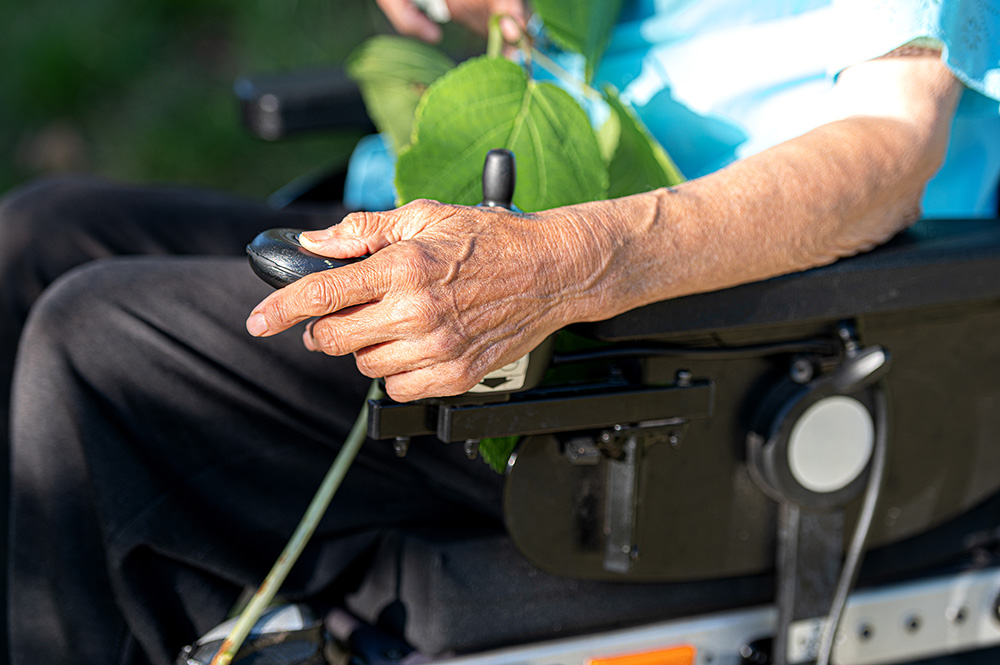
Those living with Amyotrophic Lateral Sclerosis (ALS) understand that it can impact their daily life. For older adults with this condition, performing daily care tasks can become more difficult over time. This article will explore some of the daily challenges those...

by bbworks | Oct 2, 2025 | Care
In America, many family members have to step up to help their aging parents or family members. As a caregiver, you often make sacrifices to your own life to provide support to your loved one. But it is also vital to ensure that your needs are being met. Taking care of...

by bbworks | Sep 21, 2025 | Care
Family caregivers may notice that their older loved one appears to be losing weight or eating less as they age. Loss of appetite can become more common with age, but it can also become a major issue. As a family caregiver, you need to make sure that your loved one is...

by bbworks | Sep 2, 2025 | Care
Men and those assigned male at birth should have regular prostate exams starting at around age 45. Monitoring the health of this gland is crucial to intervene earlier should the need arise. As September is Prostate Health Month, Safe Harbor is working to keep our...
by bbworks | Aug 25, 2025 | Care
After your older loved one suffers from a TBI (Traumatic Brain Injury), they may need more help in their daily lives. According to the CDC, adults 75 and older have the highest rates of TBI-related hospitalizations and deaths. And with falling being the number one...