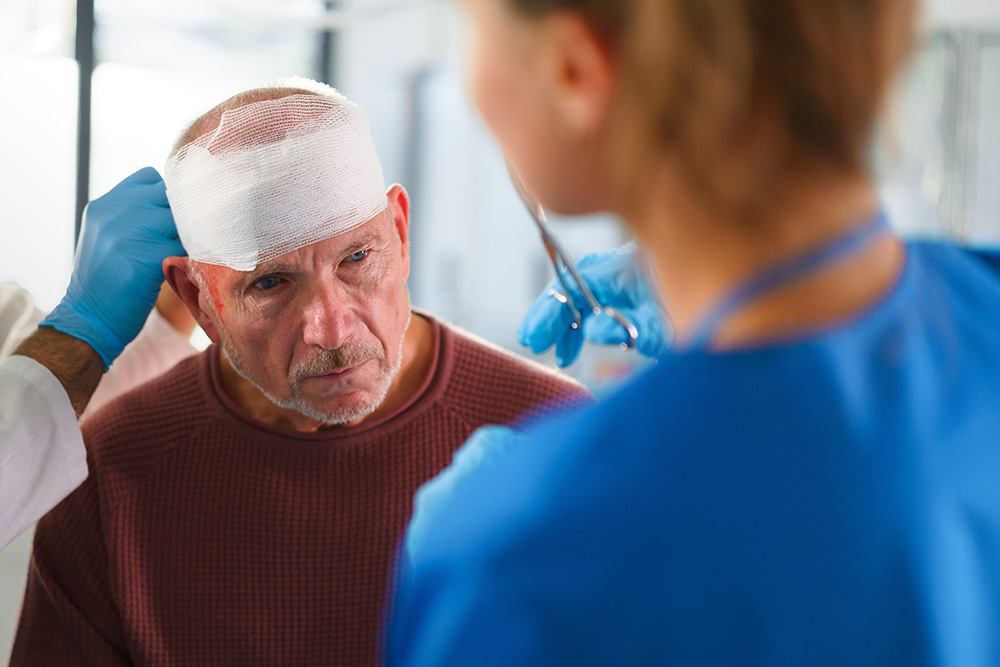
After your older loved one suffers from a Traumatic Brain Injury (TBI), the level of in-home care they need may increase drastically. For those over 65, care and recovery from a TBI can be intense. The injury may have also impacted their ability to care for themselves. This article will discuss care assistance for elders living with a TBI.
What is a TBI?
A Traumatic Brain Injury is a sustained injury to the head that affects the brain. An estimated 2.5 million Americans sustain a TBI each year, from a variety of causes. For older adults, major falls or car accidents are the most common causes of TBIs. A brain injury can often be life-changing for those affected. When coupled with other injuries from a fall or car accident, it can be even harder for your loved one to care for themselves.
Long-Term Symptoms of a TBI
Generally, medical care after a major fall or a car crash will address or look for signs of a TBI. But the injury can also lead to long-term symptoms that could affect your loved one for the rest of their life. TBIs can cause a variety of different emotional, physical, and behavioral changes. Symptoms can even last long after the injury occurs. These symptoms can vary depending on the nature and severity of the injury. Long-term symptoms may include:
- Slurred speech
- Balance issues
- Changes in overall demeanor or mood
- Mood swings
- Memory loss
- Concentration issues
- Shortened attention span
- Difficulty reading or writing
- Difficulty sleeping
- States of disorientation
- Depression
- Anxiety
- Coordination loss
Medical Care for a TBI
For older adults, care support for a TBI will generally include physical and neurological rehabilitation. They may also need occupational or speech-language therapy for recovery. Full physical and cognitive recovery may not be necessary.
In-Home Care Support for Those with Traumatic Brain Injuries
After a traumatic brain injury, your loved one may have a harder time caring for themselves safely. If their TBI was paired with other physical injuries, their mobility can be even further reduced. As a result, they may need comprehensive in-home care. A home health aide from SafeHarbor can help your loved one with their daily care and help ensure that their needs are met. This can include meal preparation, transport to therapy appointments, hygiene care, and more.
Safe Harbor Healthcare Services does not provide medical, healthcare, or financial advice via articles. This material has been prepared for informational purposes only. It is not intended to provide and should not be relied on for advice.
Safe Harbor Healthcare Services has provided excellent home care on Staten Island since 1967. Our services help older and disabled individuals live safely and independently while giving their families the peace of mind they need. For more information, contact us or call (718)-979-6900.